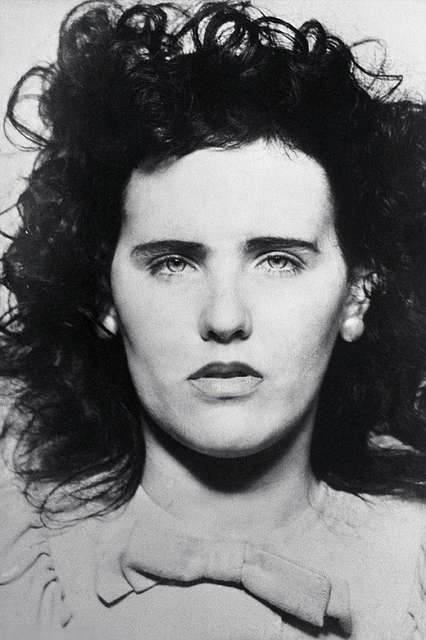
Born in Massachusetts, Elizabeth Short, famously known as “The Black Dahlia,” was an aspiring actress who moved to California in hopes of pursuing her dreams and landing a role.
“I think she was taken by someone that she knew. I’ve watched enough Dateline to know it was someone she was close with,“ head band director Jeffrey Gorring said.
Shortly after her disappearance, Betty Bersinger and her young daughter were walking through Leimert Park when they stumbled across a body, sliced in half, dead, and drained of blood just outside the sidewalk on January 15, 1947, shortly after her disappearance from the Biltmore Hotel in Los Angeles. Initially, Betty had assumed it was half of a mannequin; however discovering it was the corpse of Elizabeth after further examining the body.
“If I saw this body in the middle of nowhere, I’d be terrified and then call the police and explain the situation. I also would hope they don’t blame me,“ junior Miguel Macaraniag said.
Therefore, the case drew major attention from police, and starting an ongoing investigation. Potential evidence near the scene included skid marks on nearby roads and a sack of watered-down blood. However, since she was split clean in half, drained of her blood, lacerated, and mess-free, evidence suggested the murder happened somewhere else.
“I think that it was the doctor because he was already a viable suspect, and he had all the tools and training and equipment to dismember her and kill, as was shown,“ senior Angle Rodriguez said.
In her condition, theories circulated that the suspect had some sort of medical background or understanding. Some prime suspects were Leslie Dillon, an assistant for a mortician, Dr. George Hodel, a doctor and surgeon, and Mark Hansen, a nightclub owner. All prime suspects were connected to Elizabeth, whether that be through their connections with her or from theories from outside sources. Although almost 200 people were suspected, no one was ever charged or held accountable due to little evidence. Taunting letters were sent to police and news stations, full of her belongings and personal items, all addressed from the killer, who was suspected to be Leslie Dillon.
“I think it’s so weird that they didn’t solve it, like I feel like they could’ve dug deeper,“ freshman Abby DiMatteo said.
Ongoing investigations went on for months in hopes of finding the killer, but ultimately, police came up with nothing, leading “The Black Dahlia” to be one of the most famous cold cases and unsolved mysteries of the 1900s.