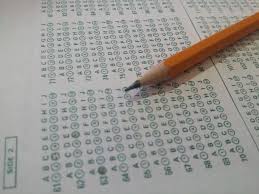
For decades, the SAT test has been a gateway to higher education. Everything depends on that one score. A supposed “fair” way to measure a student’s readiness for college. Yet, is that really what it is underneath? Proposing fairness and equality amongst everyone who takes it?
At its core, the SAT promotes the idea that a single test can capture a student’s intelligence and, based on the widely varied results, determine that student’s future success in college. While, in theory, this doesn’t sound like a bad idea. It’s almost like a test you take in class, determining whether you pass or fail. But, this time at the stake of your future? Well, unfortunately, this is a deeply flawed system and ideology to have when the careers and lives of future adults are in the hands of this test.
One of the more eye-catching issues with the SAT is the fairness behind the test. Students with money, tutors, and extra resources get extra advantages, like more testing opportunities. Meanwhile, those with fewer tools and access to things like that make the playing field unfair and generally can cater towards those who have the resources to get a generally better score versus those who don’t.
Now, this isn’t to say those who have more money are more likely to pass the SAT than those who don’t. Studying and practicing can make anyone who puts their mind to it able to pass the SAT. It’s all about diligence and consistency. With that, you’re able to get a good score. But, hypothetically, if someone were to really try and still fall short by a little, they won’t be able to get that opportunity to do it again until they have the money, while a person who does can just pay and redo it again.
Then it comes with the emotional toll of the SAT. These students spend months, some even years, preparing for this test, and that feeling of falling short can make you feel like everything you did to study for this big test feels like it meant nothing when you don’t get the score you thought you would, and it really diminishes somebody’s self-worth. When a student begins to equate their value with their score, that’s an issue beyond the classroom.
The struggle around the SAT isn’t that it’s just a “difficult” test. It’s about fairness, access, and the broader purpose of education. Until that changes, students and children years from now are going to be bearing the weight of the way this test works for years to come.