In the quiet halls of justice and the chaotic moments of a street side arrest, there exists a concept that defines the boundary between order and authority. The use of force. For students and citizens alike, understanding this concept is important because it represents the most extreme power the government can exercise over an individual. Legally, the use of force is defined as the amount of effort required by law enforcement to compel compliance from an unwilling subject. It is not a singular action but a spectrum of responses that must be weighed against the resistance encountered.
The legal bedrock for this authority in the United States was established by the landmark Supreme Court case Graham v. Connor in 1989. The Court ruled that any use of force must be “objectively reasonable.” This standard is intentionally specific, it dictates that an officer’s actions must be judged from the perspective of a reasonable officer on the scene. Rather than with the benefit of 20/20 hindsight. To determine if force was fair, investigators look at the severity of the crime. Whether the suspect posed an immediate threat to others, and if they were actively resisting or attempting to flee.
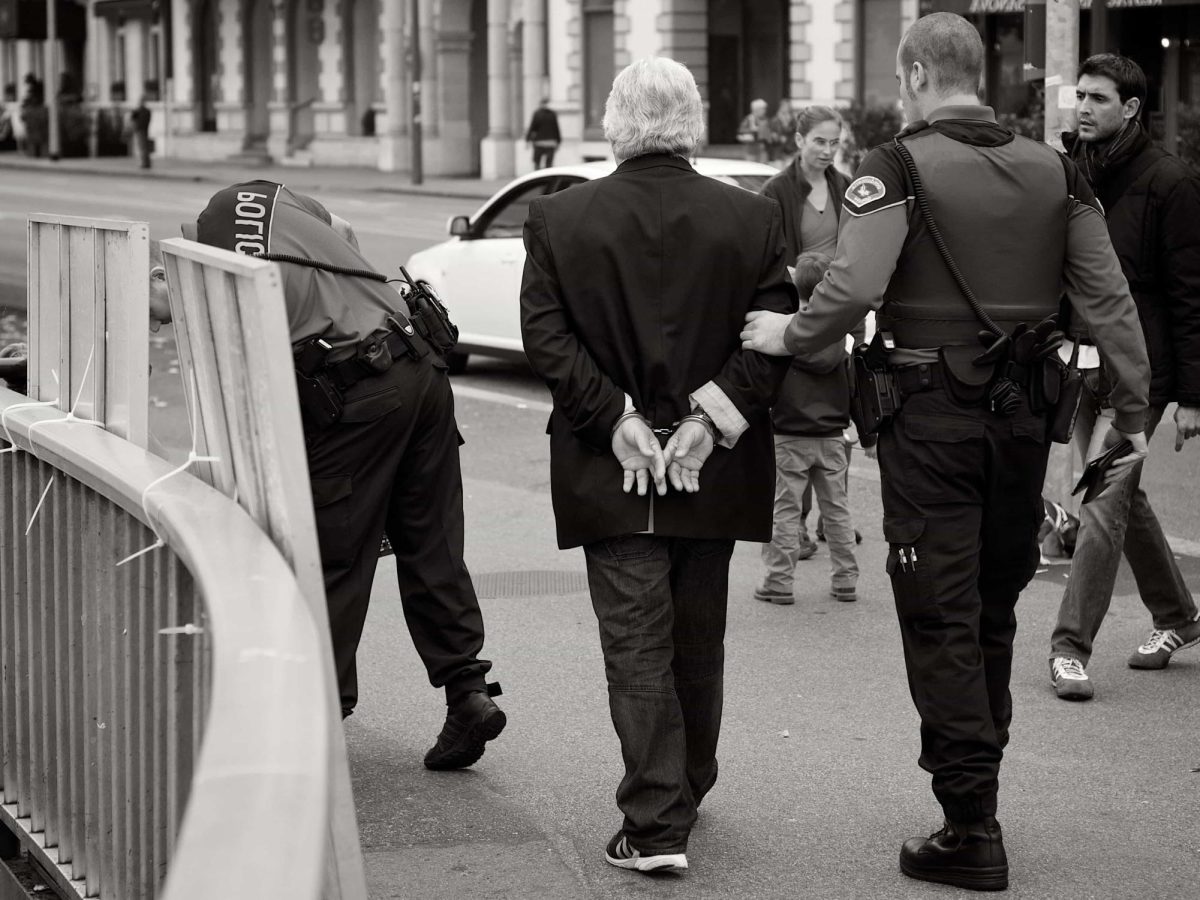
To guide these split second decisions, most departments utilize a use of force continuum. It begins with the simplest level. Officer presence. Sometimes, the mere arrival of a uniform is enough to resolve a conflict. If that fails, the officer moves to verbal commands, then to physical control like handcuffs or joint locks. When a situation escalates further, “less-lethal” tools come into play, such as tasers or pepper spray. The final, most gravity laden tier is deadly force, which is legally reserved for instances where there is an imminent threat of death or serious injury to the officer or the public.
Recent history has provided a vivid and often painful gallery of how these standards are applied in the real world. In many cases, the use of force is deemed fair and necessary, such as during active shooter interventions where officers must use lethal means to stop a clear and present danger to innocent lives. In these moments, the force is the shield that protects the community. However, other instances have sparked national outcry when the force used appeared drastically out of proportion to the threat. The death of George Floyd in 2020 became a defining example of force that the legal system eventually ruled was not only unfair but criminal, as the physical restraint continued long after the suspect had ceased to resist or pose a threat.
These examples show the tension between safety and civil rights. As technology like body worn cameras provides a front row seat to these encounters, the public is increasingly asking whether the “reasonable officer” standard is enough to ensure accountability. Many departments are now shifting their focus toward de-escalation training, teaching officers to use communication and distance to slow a situation down before force becomes the only option left on the table.
Ultimately, the law provides a framework, but the application of that law is where the conflict lives. Every time an officer reaches for their belt, they are walking a razor thin line between maintaining public safety and infringing on personal liberty. As society evolves, so does the scrutiny of these moments, leading us to a question that every generation must answer for itself. Where exactly does the line draw between a necessary reaction and an abuse of power?