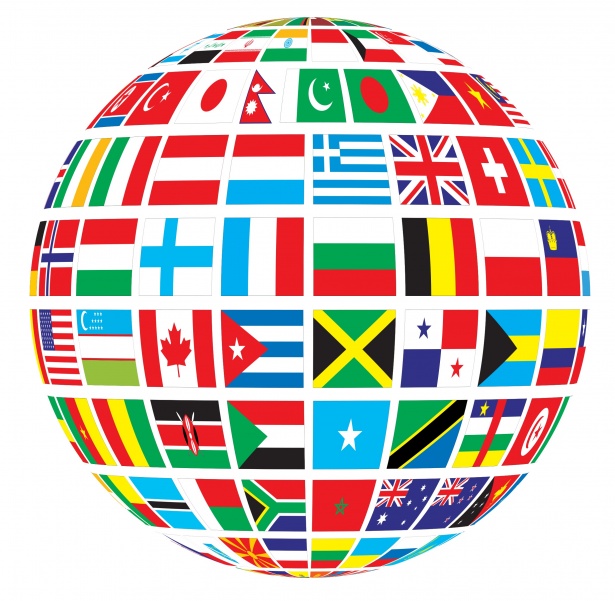
Depending on culture, history, and religion, Christmas looks different for everyone. But how different is Christmas throughout the seven continents across the globe?
In Germany, Christmas Eve, also known as Heiligabend, is celebrated on December 24th. On this day, families typically decorate the Christmas tree and enjoy a nice dinner together. These dinners consist of meals like Würstchen mit Kartoffelsalat (sausages and potato salad), baked or fried carp, and goose with red cabbage and dumplings. The next day, people in Germany celebrate Erster Weihnachtstag, which is a much more casual day of celebration where families attend church services and focus on the religious aspect of the holiday. The following day is commonly referred to as St. Stephens Day, and is celebrated similarly to the previous day, with families gathering together for extravagant meals and conversation with family they don’t get to see very often.
In Brazil, Christmas is celebrated in the summertime. Families gather in the evening on Christmas Eve to enjoy large meals, music, and conversations with one another. The foods eaten on this day are inspired by countries all over the world such as Italy, Spain, and Portugal. Children eagerly await Brazil’s version of Santa Claus, known as Papai Noel. Because all members of the family, including the extended family, are together on Christmas, many people participate in a secret Santa style of gift giving. Christmas is overall a very joyful and family-oriented day in Brazil.
Christmas in China shares a lot of similarities with the United States. Neighborhoods are elaborately decorated with bright lights and tall Christmas trees lining the streets. It’s common to exchange small gifts with friends and colleagues on Christmas Eve. Interestingly, a popular gift amongst people in China is an apple. This tradition comes from the Chinese word for apple, “píngguǒ”, which sounds similar to the word for peace, “píng’ān.” That being said, it’s not exclusively friends giving gifts to one another. China has their own version of Santa Claus named Shèngdàn Lǎorén. He is believed to be a festive character bringing presents to children, rather than a predominantly religious figure. Christmas day bears a resemblance to the other countries: laid-back and prioritizing togetherness.
The holidays in Egypt lean more towards being religion-centered, mostly commemorating the birth of Jesus Christ. Families gather together to enjoy extensive meals such as fatta or roasted lamb. They exchange gifts and attend special masses at church. Since most people in Egypt follow Coptic Orthodox Christians, they follow the Julian calendar and celebrate on January 7th. Christians begin their forty-three day long fast, starting on November 25th. People in Egypt continue to do this year after year to show respect and honor their ancestors who had carried this tradition throughout hundreds of generations. The major feast at the end of this fast symbolizes the birth of Christ, or the gift of life. The vibrant banners and decorations throughout the country make for a festive atmosphere.
Australia’s Christmas takes place in the summer when the weather is around 80°- 90° Fahrenheit. Because the weather is so warm, it’s common for families to take trips to the beach during Christmas time. These trips include picnics or barbecues with foods such as cold glazed ham, fresh prawn, and other seafood. Although Australia is on the opposite side of the globe from the United States, their traditions are not too far off from ours, with families and friends exchanging gifts and attending church services.