Man of Mystery : Who is Jack the Ripper?
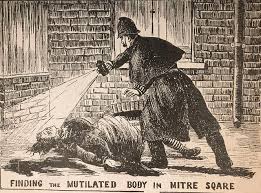
Between August and November 1888, a series of murders occurred in the Whitechapel district of London. The crimes were investigated by the Metropolitan Police and the City of London police. The unidentified offender became known in the press as “Jack the Ripper” after letters signed with that name were sent to news agencies and police. Many historians believe these letters were likely hoaxes , but they contributed to the nickname becoming widely used.
The victims were adult women living in or near Whitechapel. Police at the time faced limited forensic tools, overcrowded living conditions in the district, and a large number of unrelated violent incidents in the area, all of which made the investigation difficult. The investigative methods in the era relied on witness statements, patrols, and basic crime scene observation, which weren’t sufficient to identify a suspect.
The case received extensive newspaper coverage, partly because the crimes occurred during a period of rapid growth in mass circulation papers. The press published speculation about suspects, theories about the offender’s background, and criticism of police efforts. This media attention helped turn the case into one of the most widely discussed criminal investigations of the 19th century.
Despite interviewing numerous individuals and pursuing many leads , police were unable to determine the offender’s identity. No one was charged, and the case remains unsolved. Modern researchers have proposed various suspects based on historical documents, but none have been definitively proven.
The Jack the Ripper case continues to be studied for its influence on policing practices, public communication by law enforcement, and the role of the press in shaping public perception of criminal investigations.