The world woke up to a different Middle East on February 28, 2026. What started as a series of explosions in the early morning hours quickly turned into a massive military campaign by the United States and Israel, aimed directly at the heart of Iran’s government and military.
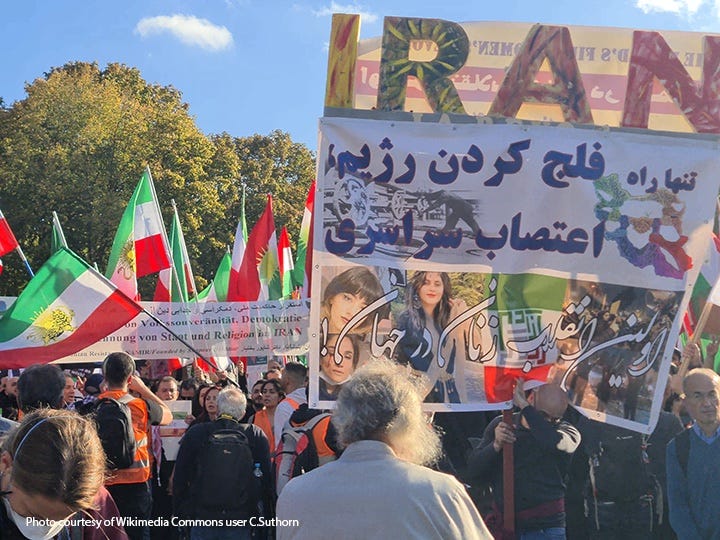
This didn’t happen overnight. For months, tensions had been boiling over. Diplomacy in Europe had completely fallen apart, and there was growing fear internationally that Iran was moving too close to developing nuclear weapons. At the same time, Iran was facing a lot of trouble at home, with citizens protesting in the streets. The U.S. and its allies decided to step in, claiming they needed to stop the country’s military power before it could be used.
The impact was felt immediately. One of the first strikes hit a major government building in Tehran, killing the Supreme Leader and several top generals. This has left the country in total confusion, with no clear person in charge while the bombs continue to fall.
But as with any war, the “stats” don’t tell the whole story, the people do. The news has been filled with heartbreaking reports of a school hit in the city of Minab, where over a hundred young girls lost their lives. More than a thousand people have died in Iran so far, and the fighting has spilled over the borders. Iran has fired back with its own missiles, hitting targets in Israel and nearby countries like Kuwait and the UAE.
Now, everyone is holding their breath to see what comes next. The biggest fear is that the fighting will shut down the Strait of Hormuz, a narrow stretch of water that carries much of the world’s oil. If that happens, gas prices everywhere could go through the roof, causing a global money crisis.
We are at a point where this could go one of two ways: either the Iranian government collapses entirely, or the whole region gets pulled into a long, messy war that lasts for years. For the families living through it, the future feels more uncertain than ever.