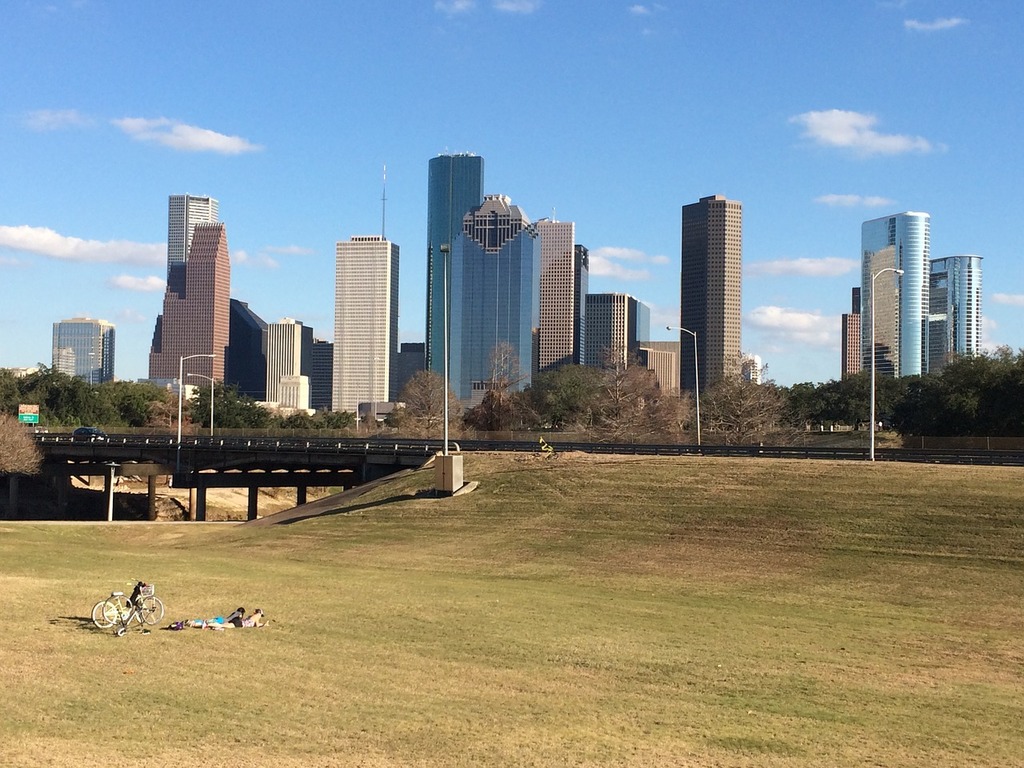
Since 2017, more than 200 bodies have been recovered from the Houston area bayous. In 2025 alone, the number has nearly matched last year’s total before the year is even over. The last two years are the highest of the entire period.
Houston is a city built around waterways like Buffalo Bayou, Brays Bayou, and White Oak Bayou. These channels are meant to control flooding and move stormwater away from neighborhoods. This led officials to often explain deaths in the bayous as accidents, flooding-related incidents, or other natural causes. But one detail stands out: the word “undetermined.”
Seventy-five cases since 2017 have not confirmed how or why the person died. They were not officially ruled natural deaths, but they were not confirmed as homicides or accidents either. When more than a third of the cases end without a clear explanation, it raises questions.
Bayous are complicated when it comes to investigations. They cross different areas controlled by city police, county authorities, flood control districts, and parks departments. A body might be found in one part of the water, but entered elsewhere. Water can move, damage, or destroy evidence. It also makes it harder find the exact time of death.
In today’s world, cities installed cameras almost everywhere. For example, there are cameras on highways, in stores, at traffic lights, and on buildings. There are license plate readers and phone tracking data. But there are no cameras underwater. Once something enters the bayou, tracking what happened becomes harder.
This leads to a serious question: if there were a serial killer targeting people and using the bayous to hide evidence, would anyone notice?
Serial killers in the past have sometimes chosen methods that reduce evidence and make deaths look accidental. If someone understood how the bayous affect investigations, blur timelines, and damage forensic evidence. They could take advantage of that. Each case might look separate instead of connected.
This does not prove that there is a serial killer in Houston. There is no official statement confirming that. But the high number of deaths, the rise in the last two years, and the large number of “undetermined” rulings make some people wonder if something more than random accidents is happening.
It could be environmental factors, social issues like homelessness or substance abuse, or limits in the investigative system. Or it could be something more intentional.
More than 200 bodies since 2017. Seventy-five undetermined cases. These last two years have been the deadliest. That doesn’t automatically mean there is a serial killer. But it does mean the pattern deserves closer attention and clearer answers.
Story continues below advertisement