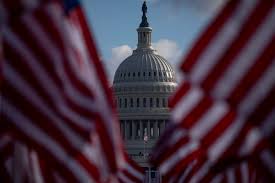
Upon entering the new year, from January 31st to February 3rd, the government faced a partial shutdown due to Congress failing to pass the proper appropriations legislation for 2026 after the previous one had expired.
In October of 2025, the government also faced a shutdown prior to this partial one. This shutdown lasted for 43 days, which was one of the longest shutdowns to occur. Problems like this arise due to issues with Congress, disagreements among officials, and even just missing deadlines in certain areas that are necessary to keep everything funded and running smoothly.
A government shutdown affects many people in many different ways, but how exactly? Well, people who need assistance with food are given help from funds of the government, like EBT, SNAP, and WIC. Not only do they receive help, but workers in the military, national parks and museums, student aid, and also the IRS, along with other federal agencies.
Even in the midst of slight chaos, a compromise came about when the House passed a package funding eleven out of the twelve regular appropriations bills through the end of the fiscal year, which is September 2026. A DHS was granted for a short term lasting until February 13th, which should be enough time to even out everything once it’s over.
Then, on February 3rd, President Trump signed the bill just 3 days after the shutdown, which restored pay to federal workers and helped different operations reopen and continue their normal schedule. This also applies to smaller businesses as well.
Story continues below advertisement